
Best AI Influencer Generator for Consistent Faces
Most AI tools can create one attractive image. A serious AI influencer generator has to create the same recognizable person across outfits, poses, locations, and weeks of content.
Contelio Team
May 29, 2026
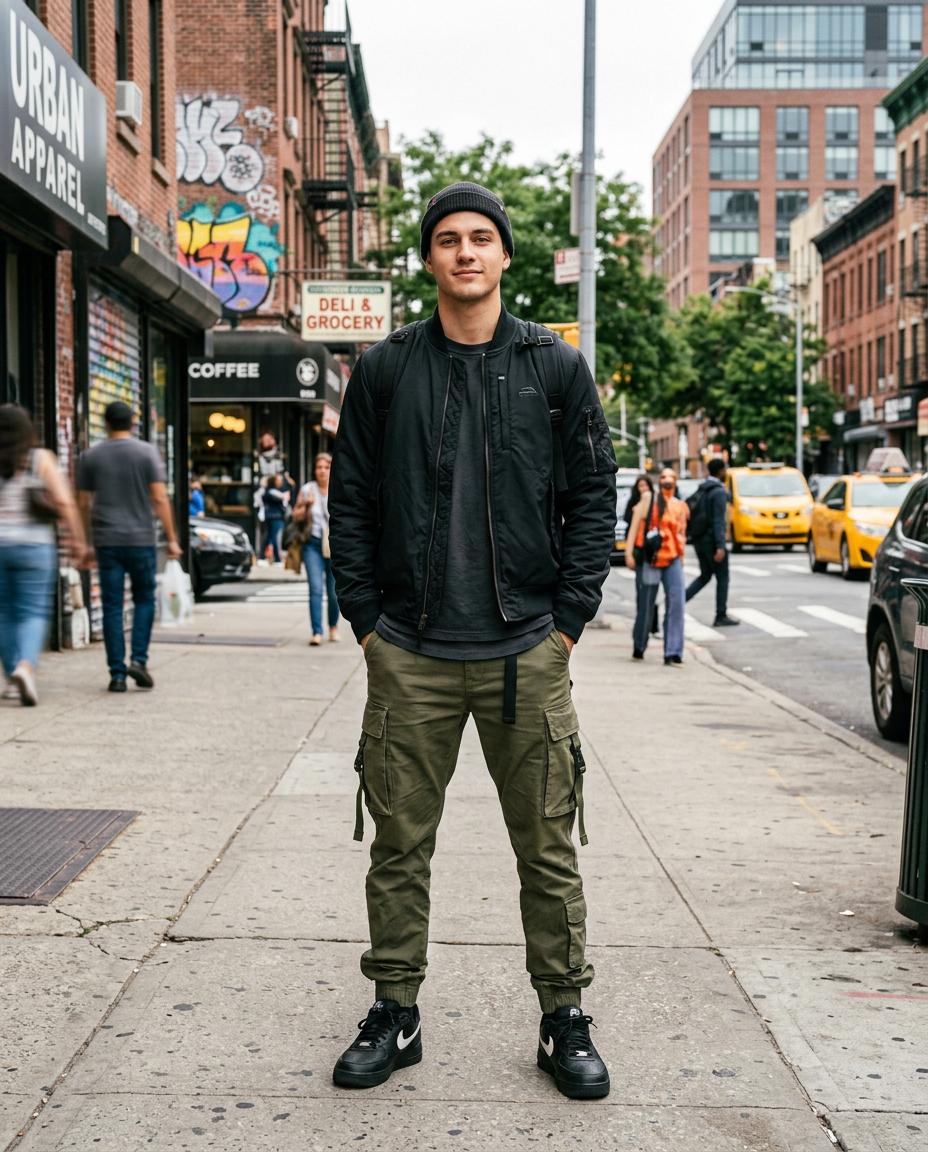
Search results for AI influencer generator are crowded with tools that promise instant models, realistic portraits, and viral content. The problem is that a virtual influencer is not one image. It is a repeatable identity. If the face changes every time you generate a new post, the audience never learns who the character is.
That is why face consistency is the deciding feature. A creator needs the same person in a street outfit, a mirror selfie, a studio portrait, a travel shot, and a product collaboration. A brand needs the same model to appear across ads, landing pages, product photos, and campaign variations.
What Makes an AI Influencer Generator Good?
The best AI influencer generator should help you build a system, not just a single image. A good system starts with identity, then adds content variety around that identity. You should be able to control the face, adjust the outfit, choose the scene, and generate several usable photos from one setup.
For most creators, the essential features are:
- Consistent face identity: the same facial structure, age, and recognizable features across the full set.
- Scene variety: lifestyle, fashion, travel, cafe, gym, mirror selfie, studio, and editorial-style outputs.
- Outfit direction: the ability to guide clothing and styling instead of accepting random fashion choices.
- Batch generation: multiple images from one workflow, so you can build a week of content faster.
- Commercial quality: images that are clean enough for Instagram, ads, e-commerce, and brand decks.
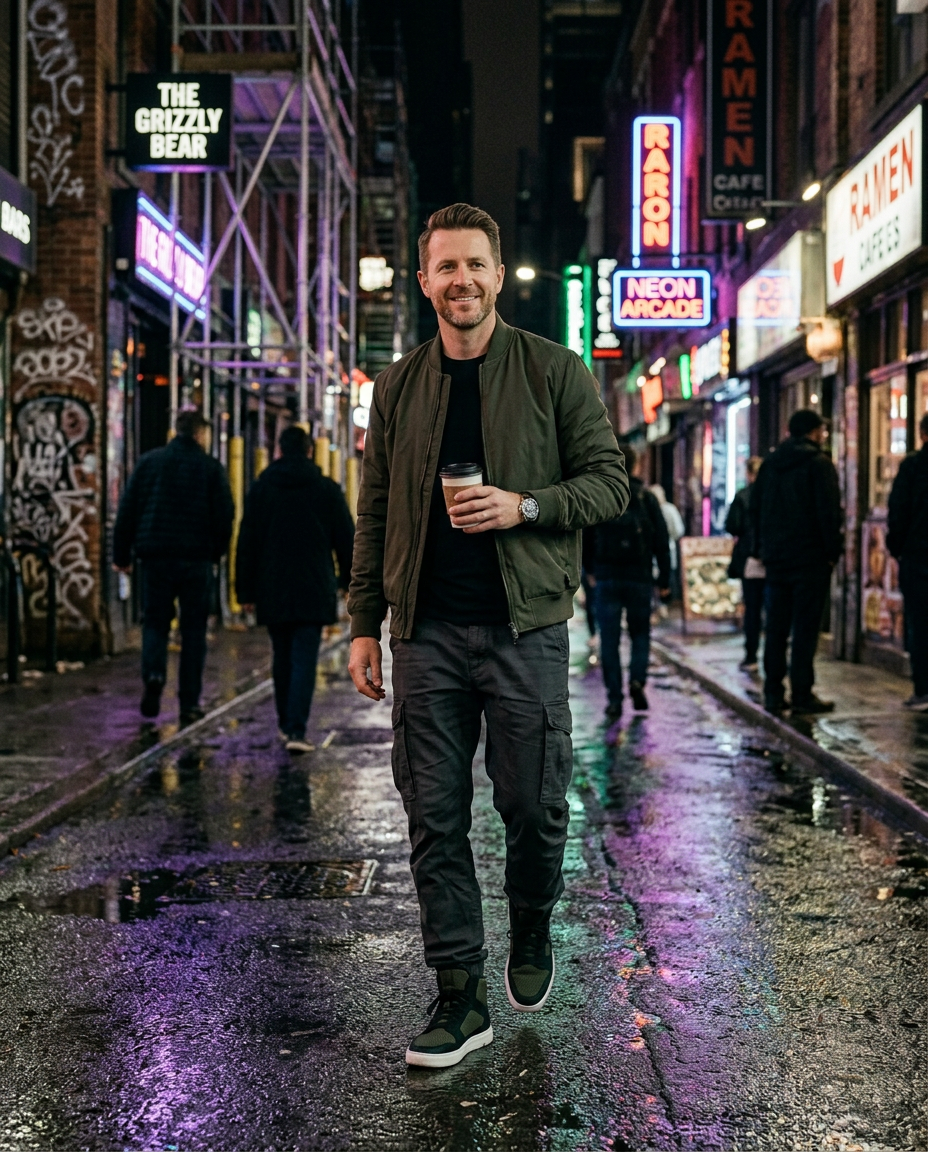
Why Generic AI Image Generators Struggle
General image generators are designed for creativity and variation. That is useful when you want inspiration, but it becomes a liability when you need the same person again. Small prompt changes can alter the face shape, jawline, age, skin texture, hairline, or proportions. You may get a beautiful image, but not the same model.
This is why many creators burn hours regenerating the same concept. They keep the best image, then try to reproduce it in another outfit. The second image looks close, but not close enough. The third looks like a sibling. The fourth changes the character entirely. That workflow does not scale into a real AI influencer account.
Consistent Face vs. Pretty Face
A pretty face gets attention once. A consistent face builds memory. For an AI influencer, memory is the asset. The audience should recognize the character before reading the caption. That recognition is what makes the account feel like a personality instead of a random stream of generated images.
The same principle applies to e-commerce. If a brand uses virtual models, consistency helps customers understand the clothing, the campaign style, and the brand world. The model becomes part of the visual system.
How to Evaluate an AI Influencer Tool
Before committing to any tool, test it with a simple workflow. Generate one reference identity, then ask for five different scenes: a close-up portrait, a street outfit, a gym shot, a cafe lifestyle image, and a polished editorial photo. If the model is not recognizable across all five, the tool is better for one-off images than influencer building.

Best Workflow for AI Influencer Content
A repeatable workflow is simple: define the persona, lock the face, choose content pillars, generate in batches, then publish with a consistent voice. For example, one virtual influencer could rotate between outfit checks, daily lifestyle posts, travel scenes, brand collabs, and candid selfies.
This workflow works better than trying to invent a new idea every day. It also helps SEO and social growth because your content becomes easier to describe, categorize, and repurpose. A single generated set can become a Reel, a carousel, a blog example, an ad creative, and a landing page visual.
Where Contelio Fits
Contelio is built around the problem most AI influencer creators run into: repeatability. Instead of forcing you to rebuild every image from scratch, it gives you a guided photoshoot workflow with face references, outfit references, scene presets, pose packs, aspect ratios, and batch generation.
That makes it useful for creators building virtual influencer accounts, agencies testing AI model concepts, and brands that need campaign images without booking a traditional photoshoot.
Create a consistent AI influencer
Build repeatable virtual model photoshoots with face references, outfits, poses, and scene presets in one workflow.
Try the AI Influencer GeneratorFAQ
What is the best AI influencer generator?
The best AI influencer generator is the one that can keep a consistent face across multiple scenes and outfits. For serious creator work, consistency matters more than producing one impressive portrait.
Can AI influencers be used for brand content?
Yes. AI influencers and virtual models can be used for social media concepts, ad testing, e-commerce lifestyle images, and campaign mockups. Brands should still review rights, disclosure rules, and platform policies before publishing.
Why do AI generated faces change?
Many image generators prioritize prompt variation. Without a strong reference workflow, each generation can reinterpret facial structure, age, hair, and proportions.
For a deeper setup guide, read how to create an AI influencer. If you are building e-commerce visuals, read how virtual models help fashion brands.