
How to Create an AI Influencer in 2026: Complete Guide
Build a realistic virtual influencer from the ground up: persona, consistent face, content pillars, image workflow, publishing system, and monetization.
Contelio Team
Updated May 29, 2026
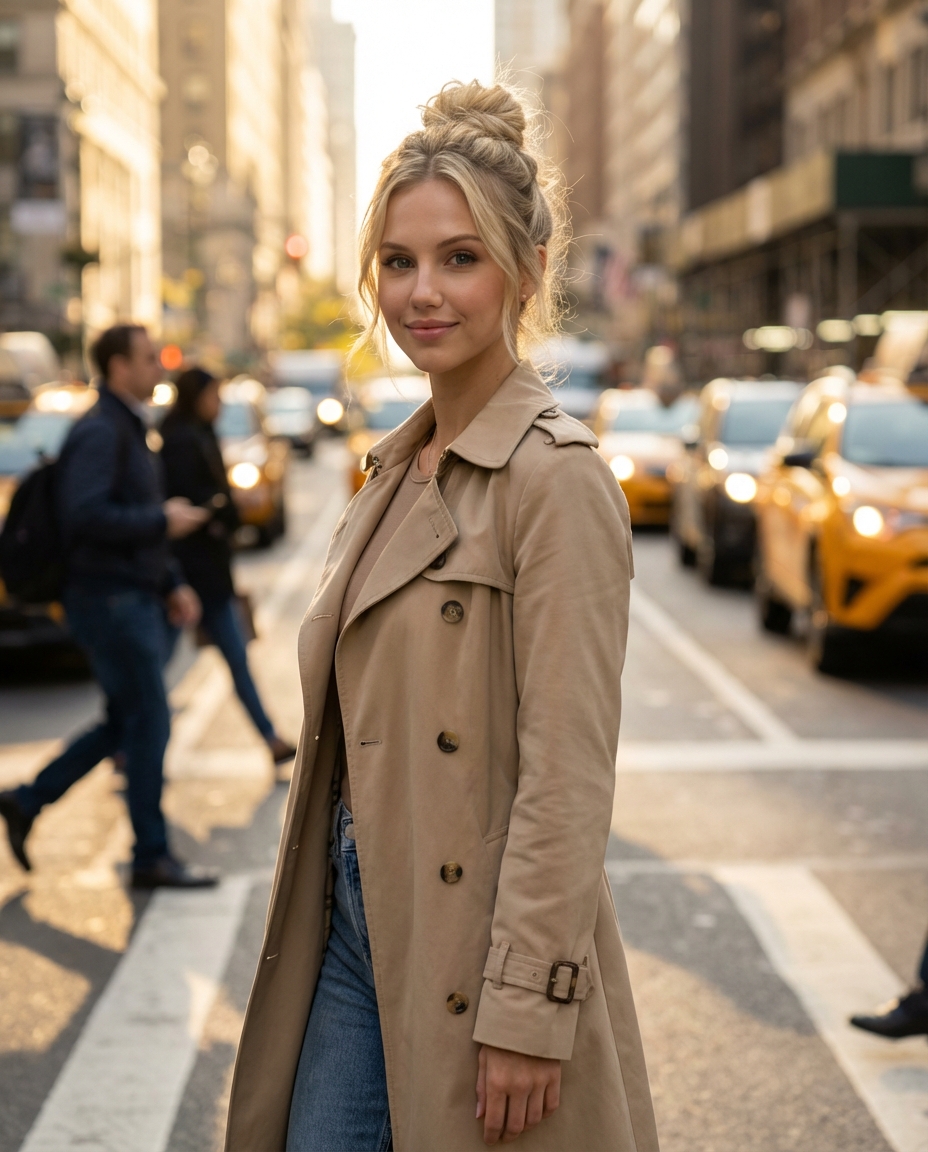
Creating an AI influencer is no longer a technical experiment. It is a brand-building process. The tools are faster, the images are more realistic, and the opportunity is clearer: a virtual character can publish fashion content, lifestyle posts, brand collaborations, and e-commerce visuals without the cost of traditional photoshoots.
The mistake most beginners make is starting with random prompts. They generate a pretty face, then immediately try to create 20 unrelated posts. A real AI influencer needs the opposite approach. Start with strategy, lock the identity, then build a repeatable content system around that person.
Step 1: Choose a Specific Niche
A broad AI model account is hard to grow. A specific virtual influencer is easier to remember, easier to write for, and easier to monetize. Instead of "AI girl posting lifestyle photos," define a sharper position: minimalist fashion creator, gym lifestyle model, travel photographer, luxury streetwear character, skincare reviewer, or digital muse for e-commerce brands.
Your niche decides the visual style, captions, target audience, and brand deals. It also helps search engines and social platforms understand what your content is about.
Step 2: Write the Persona Before the Prompt
Give your influencer a short creative brief. Include age range, location, fashion taste, personality, values, favorite settings, and posting style. This does not need to be a novel. A tight one-page brief is enough.
Example: "A 24-year-old European fashion creator living between Barcelona and Milan. She posts warm lifestyle photography, clean outfits, cafe scenes, travel weekends, and behind-the-scenes brand content. Her voice is calm, stylish, and practical."
Step 3: Create the Reference Face
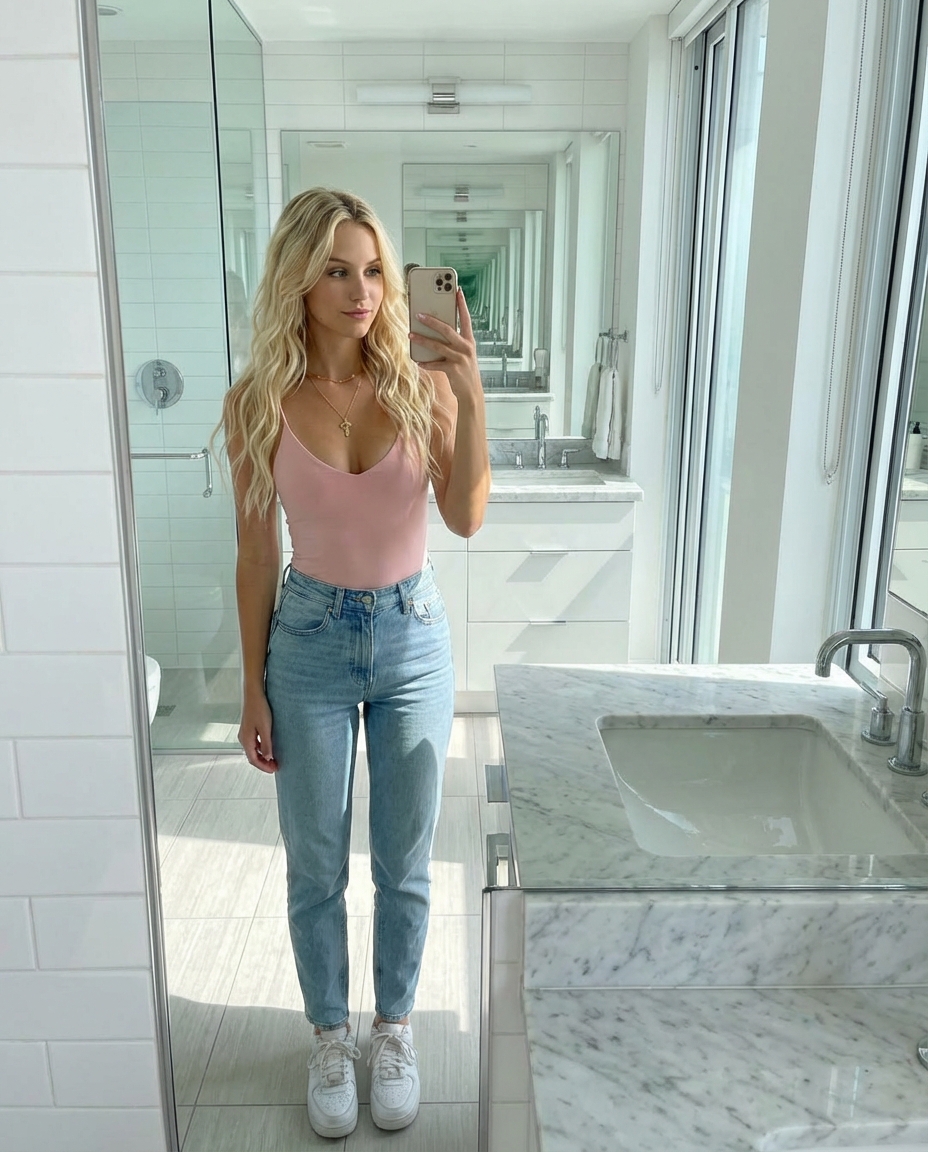
The reference face is the foundation. This is the image that defines the character's recognizable identity. Pick a face that matches the niche and can work across many outfits and locations. Avoid an overly stylized first image if you want a realistic account. Natural light, clean skin texture, and a direct portrait are usually better than a dramatic fantasy image.
In Contelio, the goal is to reuse a face reference across photoshoots so the same person appears in different scenes. This is the key difference between a random AI portrait and a usable AI influencer.
Step 4: Build Content Pillars
Content pillars keep the account consistent. They also make planning easier. For an AI influencer, strong pillars might include:
- Daily lifestyle: selfies, coffee, walks, gym, errands, and casual moments.
- Fashion looks: outfit checks, seasonal styling, streetwear, swimwear, eveningwear, or brand concepts.
- Travel scenes: city streets, hotels, beaches, airports, and weekend locations.
- Brand content: product placements, campaign mockups, e-commerce visuals, and ad creatives.
- Personality posts: short opinions, routines, playlists, recommendations, and behind-the-scenes captions.
Step 5: Generate in Sets, Not One by One
A real creator rarely publishes isolated images with no connection. Generate content in sets. For example, create one "city morning" set with a close-up, a full-body street shot, a cafe image, and a mirror selfie. Then create a "fitness day" set with a gym portrait, workout outfit, post-workout lifestyle shot, and casual caption idea.
Batch generation gives you more content, stronger consistency, and a cleaner posting calendar. It also lets you compare multiple outputs and select the most believable images.

Step 6: Write Captions Like a Character
The image attracts attention, but the caption gives the account a voice. Avoid captions that sound like a product description. Write as the character. Keep the tone consistent: confident, playful, minimal, educational, aspirational, or casual.
A useful structure is: one personal observation, one concrete detail, one soft question. For example: "Slow morning before a long shoot day. This trench is becoming my default city uniform. What is your go-to piece when you do not want to think?"
Step 7: Plan a 30-Day Launch Calendar
For the first month, prioritize consistency over perfection. Publish enough content for the account to feel active. A simple calendar could include three fashion posts, two lifestyle posts, one travel or location post, and one brand-style post per week.
Repurpose the same generation set across formats. One image can become a feed post, one crop can become a story, one set can become a carousel, and one behind-the-scenes explanation can become a short-form video script.
Step 8: Monetize Carefully
AI influencers can support affiliate offers, brand collaborations, e-commerce visuals, paid content packs, and agency services. But trust matters. Be clear where disclosure is required, avoid misleading claims, and build a recognizable visual identity before pushing heavy monetization.
Start with a consistent face
Contelio helps you turn one AI identity into repeatable photoshoots for Instagram, brand content, and virtual model campaigns.
Create Your AI InfluencerFAQ
Can I create an AI influencer without coding?
Yes. Modern tools can handle the image generation workflow without local GPU setup, model training, or technical pipelines. The hard part becomes strategy, consistency, and content planning.
How many images do I need to launch?
Start with 20 to 30 strong images. That gives you enough material for a believable profile, several carousels, and the first few weeks of posts.
What makes an AI influencer look realistic?
Realism comes from consistent facial identity, natural lighting, believable poses, varied image quality, and captions that sound like a person rather than a prompt.
Next, compare what matters in the best AI influencer generator, or explore Contelio's virtual influencer generator.