
Virtual Models for E-Commerce: How Fashion Brands Save Thousands
Traditional product photography is slow, expensive, and difficult to scale. AI virtual models give fashion brands a faster way to create campaign visuals, product stories, and ad variations.
Contelio Team
Updated May 29, 2026

Fashion e-commerce has a content problem. A new drop needs product photos, lifestyle shots, paid ad creatives, email images, social posts, and sometimes localized variants for different markets. Traditional photoshoots can deliver beautiful assets, but they are expensive and slow.
AI virtual models change the economics. Instead of booking models, studios, photographers, stylists, and retouchers for every concept, brands can generate realistic model-led visuals in hours. The goal is not always to replace every shoot. The goal is to remove the bottleneck between product idea and market test.
Why E-Commerce Teams Are Testing AI Virtual Models
The biggest reason is speed. A brand may need five visual directions before deciding which one deserves paid media budget. Traditionally, that means moodboards, logistics, sample coordination, and production costs before the campaign is even validated.
With virtual models, teams can test angles earlier: streetwear vs. premium editorial, studio vs. city lifestyle, close-up vs. full-body, different age ranges, and multiple regional looks. More concepts can be tested before spending money on a final production.
The Cost Difference
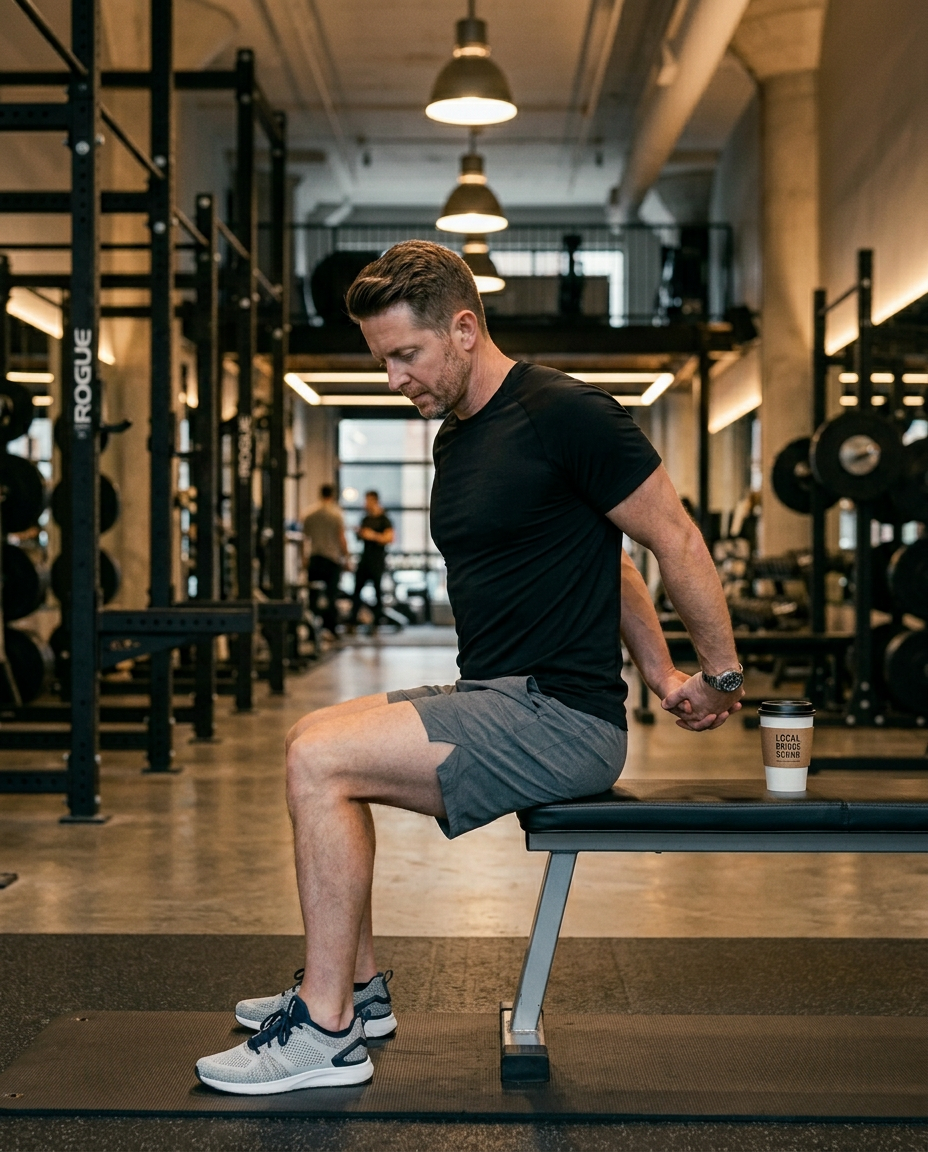
A small brand photoshoot can easily include model fees, studio rental, photographer, assistant, styling, makeup, transport, retouching, and project management. Even a lean shoot can cost hundreds or thousands before the first ad runs.
AI generation reduces the cost of exploration. You can create multiple product stories, compare them, and keep only the strongest direction. That is especially useful for small brands, dropshipping teams, boutique stores, and early-stage fashion labels.
Where Virtual Models Work Best
Virtual models are strongest when a brand needs fast, flexible visual storytelling. The best use cases include:
- Campaign concepts: test several visual worlds before booking a real shoot.
- Social content: create daily lifestyle images around products and outfits.
- Ad variations: generate different hooks, backgrounds, crops, and model styles.
- Product education: show how an item fits into an outfit or lifestyle.
- Seasonal drops: create quick visuals for launches, restocks, and trend-led collections.
Where Human Photoshoots Still Matter
AI is not a magic replacement for every type of content. High-end lookbooks, precise fit photography, regulated product claims, and hero campaigns may still need traditional production. The smartest brands use AI as a creative acceleration layer.
In practice, that means using virtual models for ideation, testing, content volume, and campaign support, while reserving traditional shoots for final hero assets where exact product fidelity is essential.
How to Use AI Models Without Hurting Brand Trust
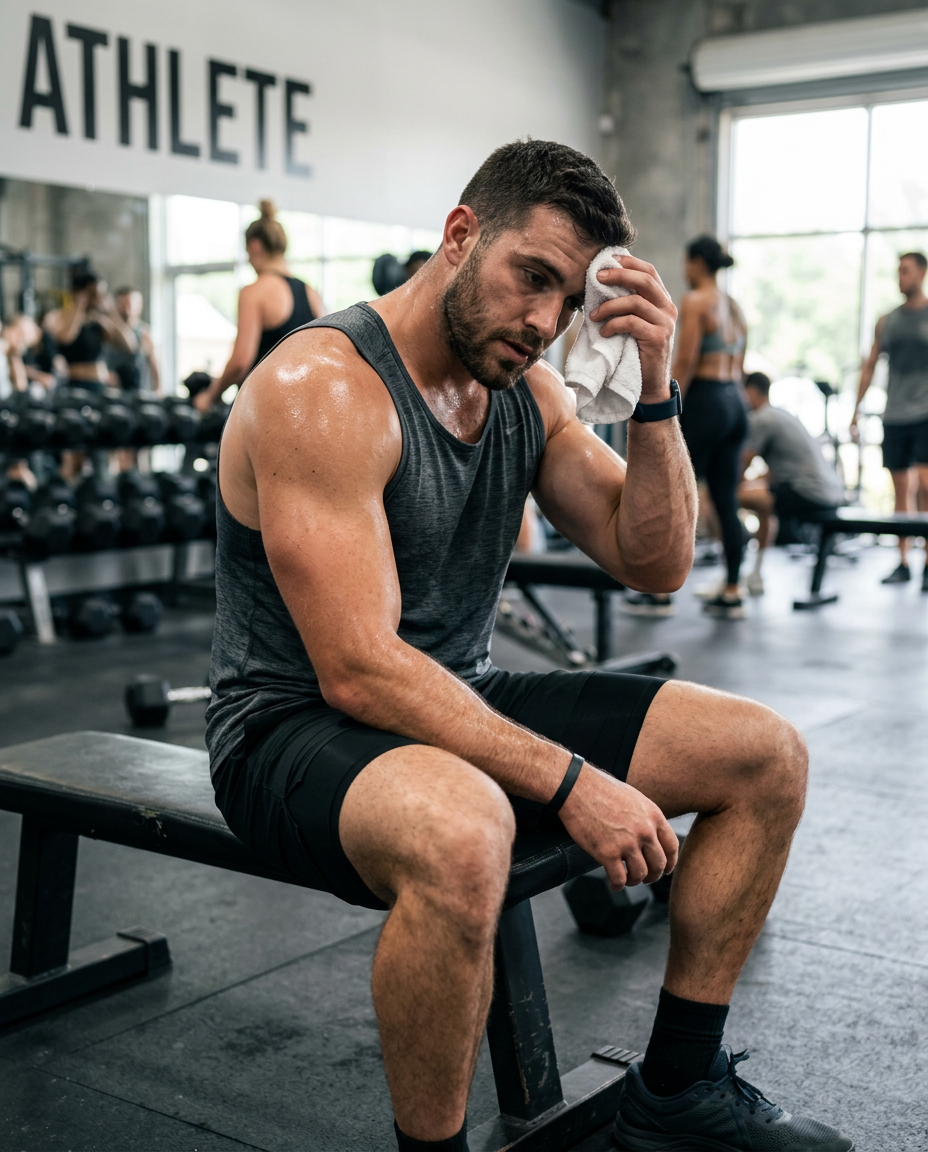
Quality control matters. Brands should review every image for product accuracy, proportions, hands, logos, seams, and styling. If the AI changes the product in a misleading way, the image should not be used as a product-detail asset.
A good workflow separates inspiration images from sales-critical images. Use AI virtual models for lifestyle context, campaign testing, and creative volume. For exact sizing, material texture, and compliance-sensitive product views, keep a stricter review process.
A Practical Workflow for Fashion Brands
Start with one product category, not the entire catalog. Choose a jacket, dress, sneaker, activewear set, or accessory line. Generate three visual directions: clean studio, city lifestyle, and social-first candid. Compare which direction fits the brand and which one performs best in ads or organic posts.
Then build a reusable model system. A consistent virtual model helps the brand feel more coherent. Instead of random AI people in every post, customers see a recognizable visual world.
Create e-commerce model photos faster
Use Contelio to generate AI fashion model visuals for product stories, ad concepts, and social content.
Try AI Fashion ModelsSEO and Content Benefits
AI virtual model images can support more than ads. They can improve category pages, blog posts, buying guides, lookbooks, email campaigns, and social landing pages. A brand that can create more visual context can explain products better.
For example, a product page can show the same jacket in a city commute concept, a weekend travel concept, and a clean editorial concept. That gives customers more reasons to imagine the product in their own life.
FAQ
Can AI virtual models replace fashion photoshoots?
They can replace some early-stage creative, social content, ad testing, and lifestyle visuals. For exact product documentation and high-budget hero campaigns, many brands will still combine AI with traditional production.
Are virtual models useful for small e-commerce brands?
Yes. Small brands benefit because they often need more content than their production budget allows. AI virtual models help them test more ideas before spending on final shoots.
What should brands check before publishing AI model images?
Check product accuracy, proportions, logos, hands, fabric details, misleading fit, and platform disclosure rules. AI content should support trust, not create confusion.
If your brand also wants a recognizable model identity across campaigns, read our guide to the best AI influencer generator for consistent faces.